India''s $10 Trillion Economy: A Must for Global Strategy
India's economy has crossed the $10 trillion threshold — a milestone that Rediff MoneyWiz frames as no longer optional for any serious global allocation strategy. For fixed income managers, the headline figure is the least interesting part of the cluster.

The Macro Pressure Points BIS Is Putting on the Record
Barron's reports that the BIS has flagged structural "pressure points" threatening the global economy. The phrase itself is a tell — it is the language a central-bank umbrella body uses when it does not yet want to name a recession. For anyone running duration, that distinction is not academic. Pressure points historically show up first in credit spreads, then in curve shape, and only last in the headline numbers. If BIS is putting the warning on the record now, the spreads are likely already moving and the curve is doing the talking before the data confirms it. Watch the gap between investment-grade and high-yield yields, and watch the long end — that is where duration risk lives when policy credibility wobbles.
Gulf Energy Risk and the Inflation Channel
The Eurasia Review analysis walks through how an Iran war in the Gulf transmits into global energy markets, and from there into every coupon stream priced off real yields. The mechanical chain is old and well-rehearsed: oil spikes, headline inflation re-accelerates, central banks lose the room they thought they had to cut, and the long end of every sovereign curve reprices higher in yield. The catch — the one that historically buried so-called "safe" bond allocations — is that the energy shock and the policy reaction arrive in sequence, not together. Holders of long-duration debt eat the first hit on inflation expectations; holders of short-duration credit eat the second hit when refinancing rolls into a higher-rate regime. There is no clean hedge across the curve in that sequence. Only positioning discipline.
Where Defensive Positioning Actually Lives
With India's weight rising, Gulf risk live, and a multilateral institution publicly uneasy, the temptation is to reach for yield — emerging market debt, high-yield, long-duration sovereigns promising carry. That is precisely the moment historically when default probability rises and the "spread" turns out to be compensation for risk that has not yet been recognized. The sober playbook here is unglamorous: keep duration shorter than the benchmark implies, demand a real-yield margin over breakeven inflation rather than a nominal yield that looks attractive in isolation, and remember that tax and inflation drag will eat whatever nominal pickup the screen is offering. The market is the primary actor here, and right now it is leaning against the very carry trades that look most tempting on a Bloomberg screen.
Other news
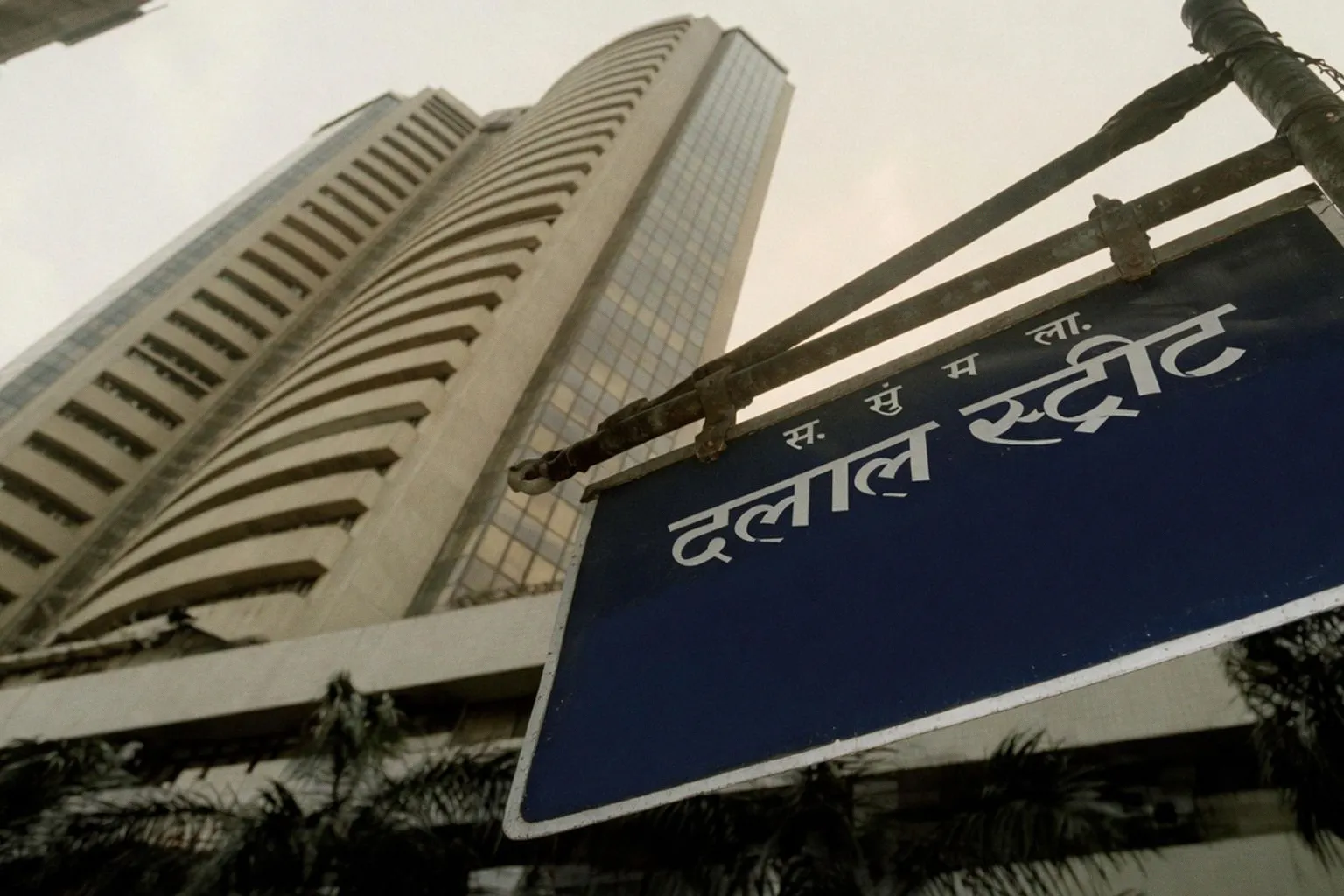 Sensex, Nifty face crucial week as Q1 updates and F&O expiry drive market sentiment
 SEC, CFTC Seek Public Comment on the Harmonization of Portfolio Margining Frameworks
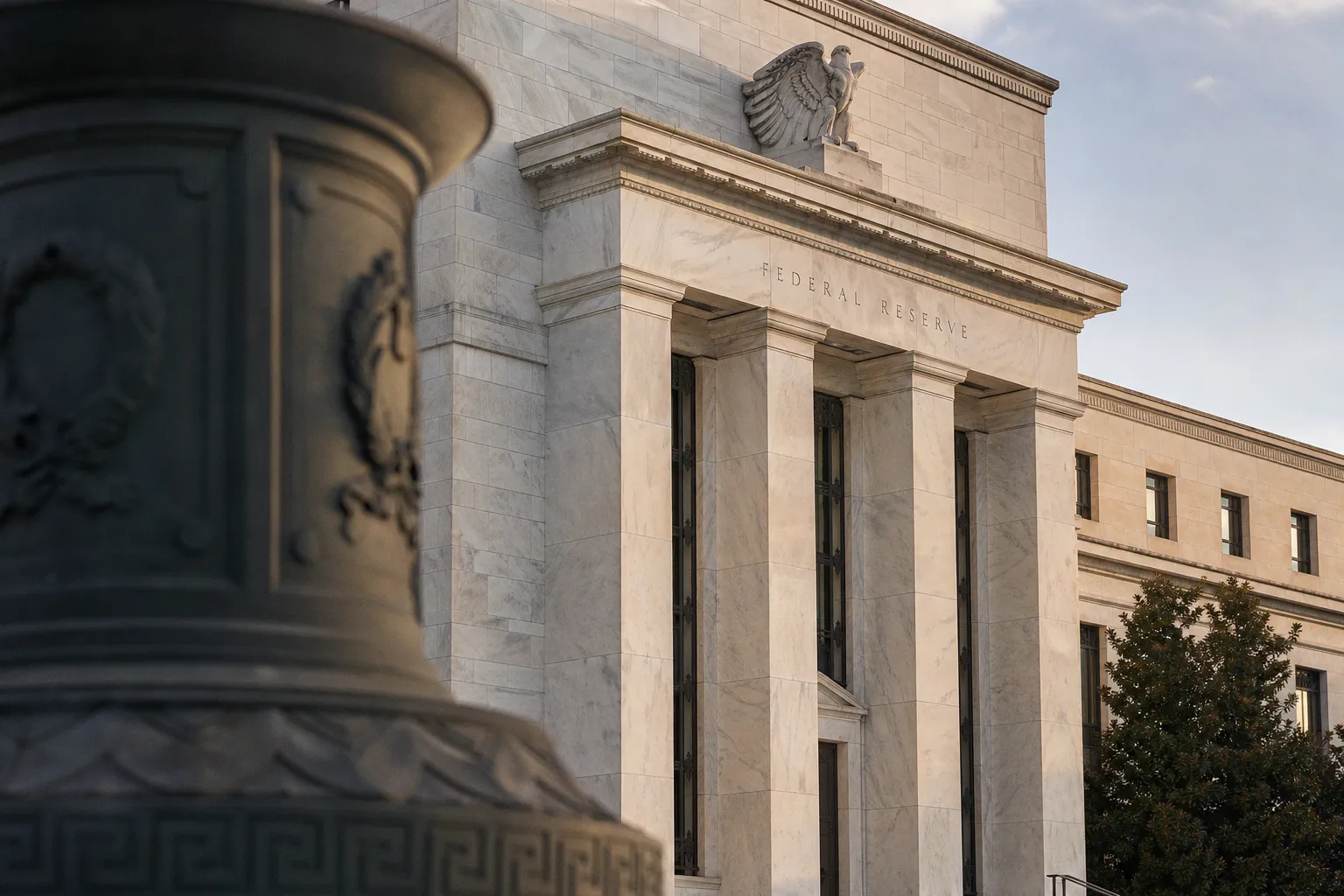 Fed likely to 'stay put' on rates in 2026 after hot inflation data
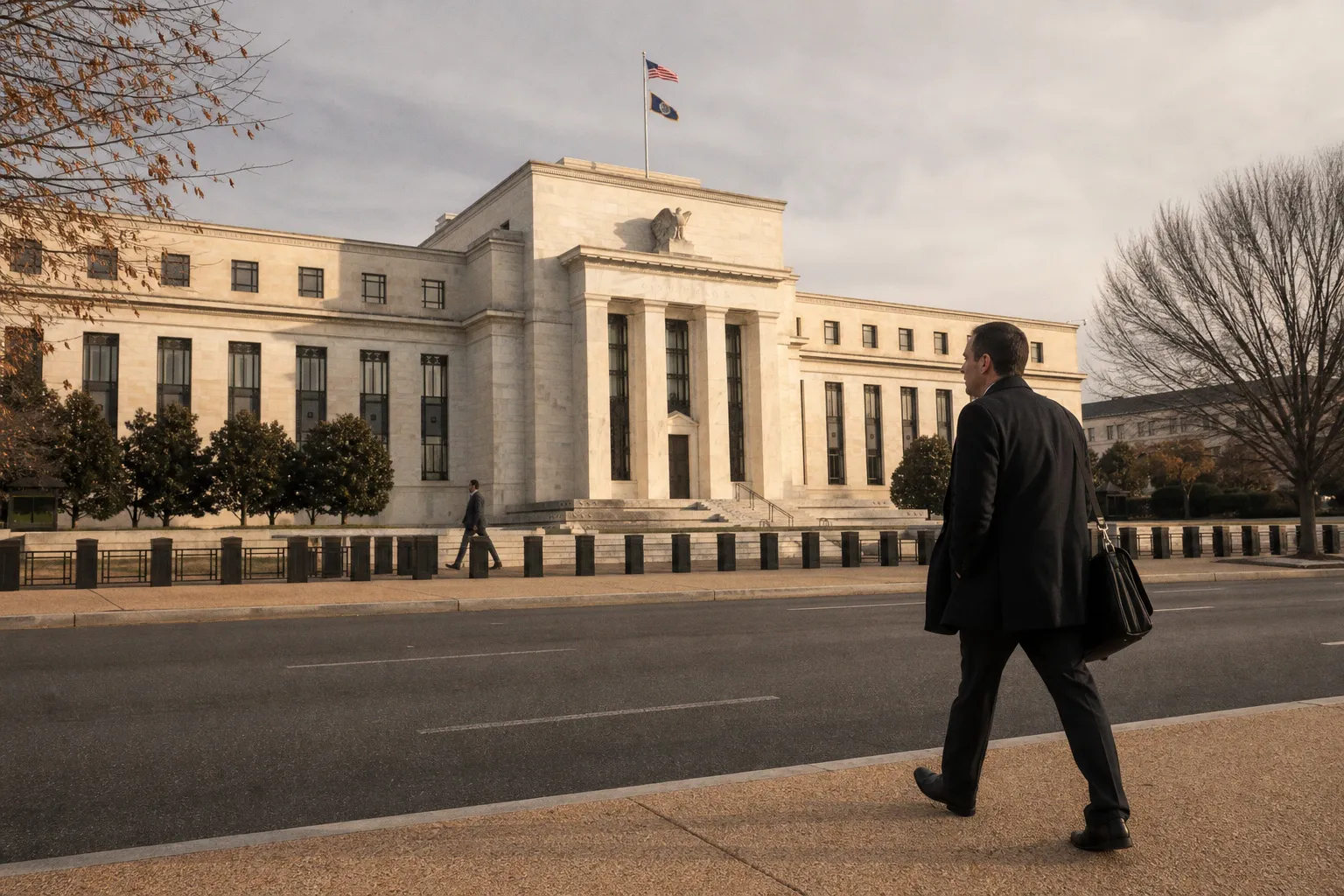 IMF chief economist says Fed reduction in rate guidance is 'entirely appropriate'