Fed Vows to Deliver Price Stability in Monetary Policy Report
The Fed’s latest monetary-policy report carries a blunt message: price stability remains the stated target.
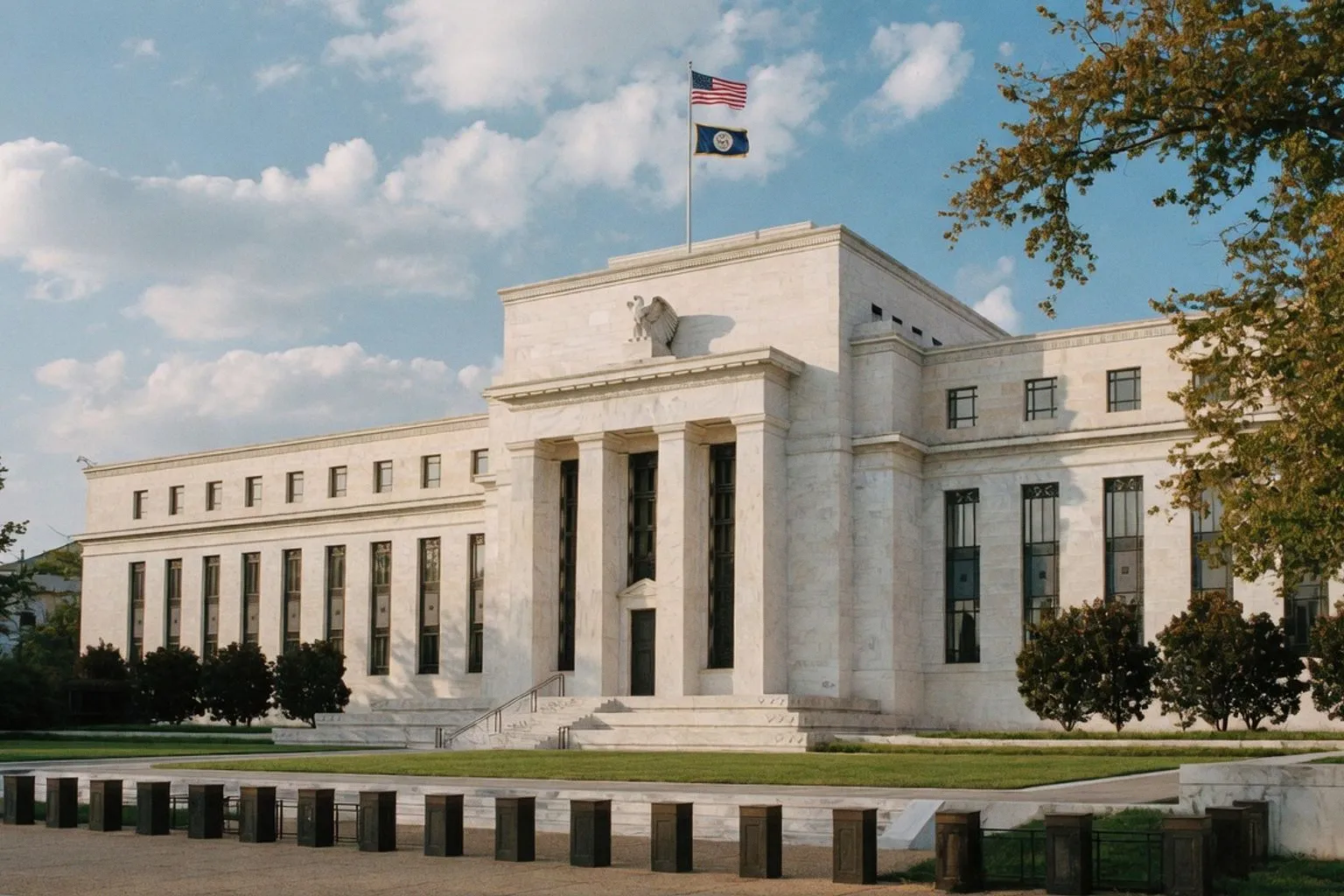
The useful signal is policy discipline, not relief
The confirmed fact set is narrow. Bloomberg’s report says the Fed has reiterated its commitment to price stability. Forth.News and The Ritz Herald report that the Federal Reserve has launched five task forces to revamp or rethink monetary policy, with AI and balance-sheet concerns cited in one account.
That gives us two hard reads.
- The Fed is not framing policy as a short-term support tool for equity multiples.
- The institution is reviewing its operating framework, not merely issuing routine language.
- AI and balance-sheet mechanics are now part of the policy-process discussion, according to the reporting.
For portfolio construction, that matters because equity valuations remain sensitive to the policy path. A price-stability pledge does not specify the next rate move. It does not guarantee easier financial conditions. It does not remove discount-rate risk from growth stocks, long-duration equities, or high-multiple thematic ETFs.
The common market error is to convert central-bank wording into a binary trade. We would not do that here. The available evidence supports only a more limited conclusion: the Fed wants credibility on inflation control and is examining how its policy machinery should adapt.
What investors should check now
This is a documentation event, not a full allocation reset. The practical work sits in portfolio plumbing.
Check three things:
- Equity factor exposure. High P/E portfolios remain more vulnerable to P/E compression if policy stays restrictive for longer than investors expect.
- ETF structure and liquidity. In volatile rate-sensitive sessions, wide bid-ask spreads and poor order routing can add hidden cost. Use limit orders. Avoid thin trading windows.
- Fund mandate language. Multi-asset and income funds often carry rate, duration, or derivatives exposure that is not obvious from the name alone.
The Fed’s task-force angle also deserves attention. If the central bank is studying AI and balance-sheet issues inside monetary-policy design, investors should expect more scrutiny of process, transmission, and market plumbing. That does not mean a new regime has arrived. It means the operating system is under review.
For personal accounts, the action item is simple: read the holdings, duration profile, and risk disclosures before adding exposure. Treat policy headlines the way you would treat a crowded earnings catalyst: useful, but incomplete. If your market routine includes watching scheduled events and live programming, keep that separate from actual execution discipline; a TV schedule and streaming guide is fine for viewing plans, not portfolio timing.
Context: the ECB reminder
Action Forex also flagged ECB monetary-policy accounts. The snippet does not provide details, so we cannot compare central-bank positions line by line. Still, the presence of both Fed and ECB policy items in the same news cluster reinforces the relevant point for global equity investors: monetary policy remains a live input across markets.
That affects ETFs with overseas exposure, currency translation, and regional sector tilts. It also affects global funds whose benchmark risk may be driven less by stock selection and more by central-bank divergence. The evidence here does not support a forecast. It supports a checklist.
Our verdict: pass for risk monitoring, fail as a trading signal. The Fed’s price-stability pledge and the reported launch of five task forces are material for asset-allocation discipline. They are not enough to justify a directional equity bet without confirming data on rates, liquidity, valuations, and fund-level exposure.