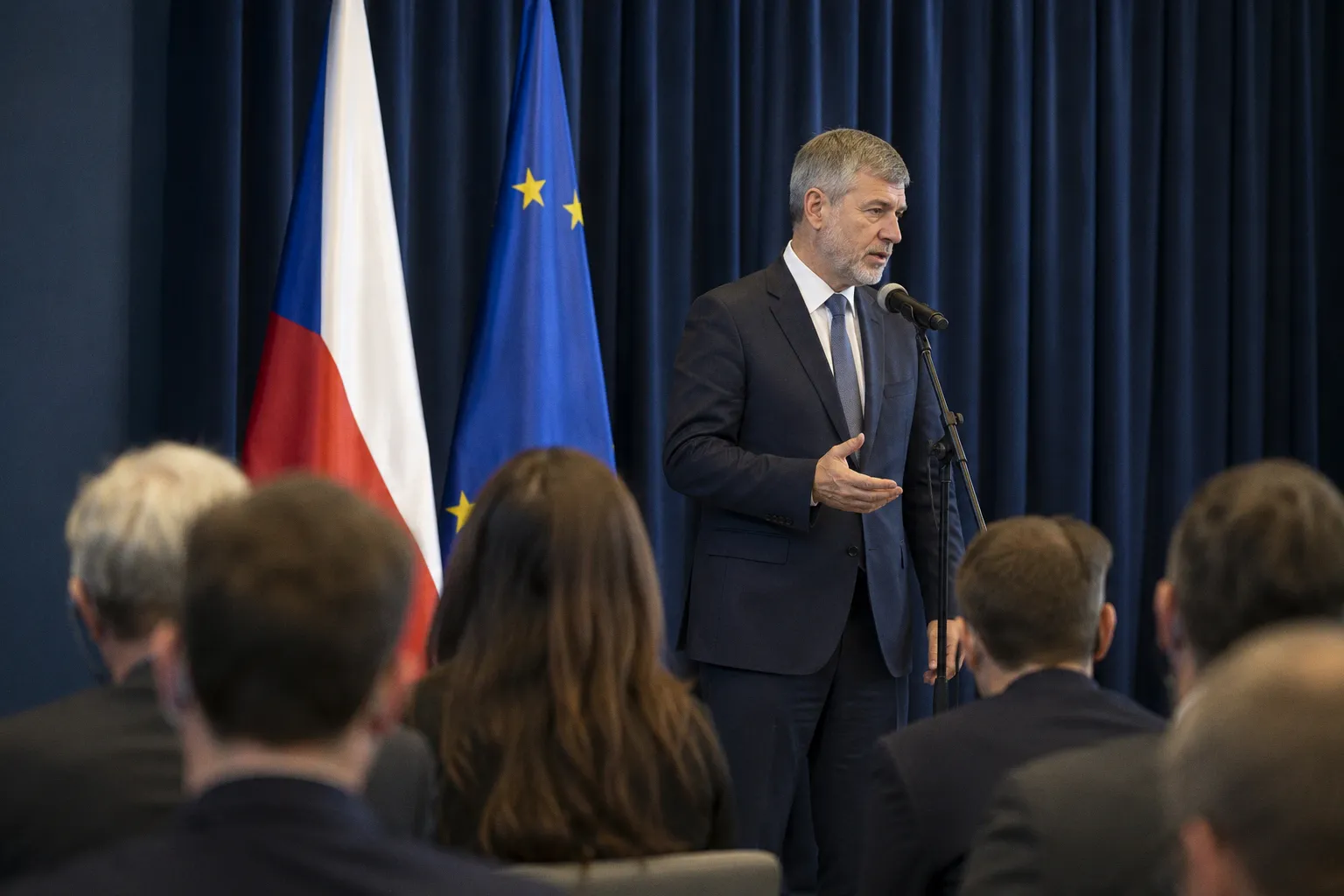
Warsh kicks off Fed chief era with sweeping review as rates remain unchanged
The Federal Reserve maintained benchmark interest rates at their current level during Chairman Kevin Warsh’s inaugural policy meeting, resisting immediate pressure for monetary easing.
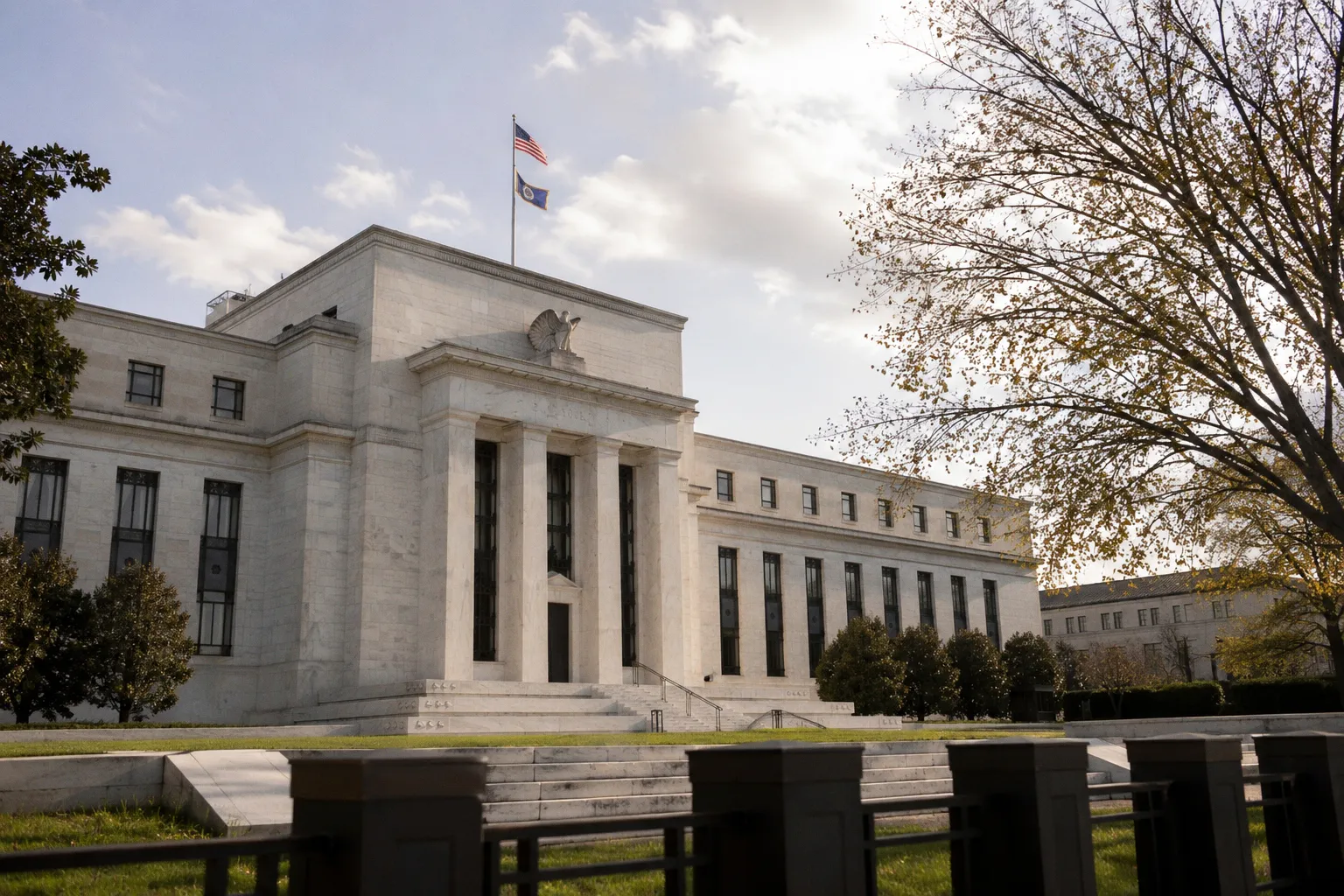
Rate Preservation and Institutional Auditing
Under Warsh's leadership, the Federal Open Market Committee (FOMC) opted for policy stasis, keeping borrowing costs unchanged. Concurrently, the new chairman initiated a comprehensive review of Federal Reserve operations. For quantitative allocators, this dual track—policy inertia combined with structural reassessment—signals a shift in central bank communication.
We analyze the immediate impact on equity markets. The lack of rate cuts limits near-term P/E expansion, forcing valuation models to rely strictly on realized corporate earnings rather than anticipated liquidity injections. The operational review also introduces regulatory uncertainty, which historically correlates with increased asset price volatility. Funds holding highly leveraged equities must prepare for sustained pressure on net asset values (NAV) as capital costs remain elevated.
Benchmarking the Hike Signal
Despite holding rates steady, the Fed signaled a potential rate hike later this year. This hawkish bias alters the risk profile for fixed-income and equity instruments. We benchmark the primary transmission channels for investment funds:
* Yield Curve Adjustments: The threat of a late-year rate hike prevents long-duration bond ETFs from pricing in a sustained rally, keeping yields elevated at the short end and flattening the curve.
* Equity Risk Premiums: High-beta equity funds face valuation pressure as the discount rate remains high, accelerating P/E compression across growth sectors.
* Slippage and Liquidity: Anticipated policy tightening increases market microstructure risks, potentially widening bid-ask spreads and slippage during high-volume fund rebalancing periods.
* Order Routing and Execution: Increased volatility around the Fed's policy review will likely test algorithmic execution models, requiring tighter limit orders to mitigate execution drag.
Portfolio Stress-Test Verdict
Based on the Fed's decision to hold rates steady while signaling future hikes, our allocation models run a strict stress test on interest-rate-sensitive assets.
* Fixed-Income ETFs (Short-Duration): PASS. Maintaining flat rates preserves yield without the immediate capital degradation of an active rate hike cycle, though late-year risks remain.
* Growth Equity Funds (High P/E): FAIL. The combination of unchanged rates and a looming hike halts the expansion of valuation multiples.
* Dividend-Yielding Equities: PASS. Cash-flow-generating assets provide a buffer against the flat-rate environment, outperforming speculative growth.
We rate the Fed's initial session under Warsh as a transition phase that increases downside risk for leveraged equity strategies. Allocators must hedge against the projected late-year tightening.