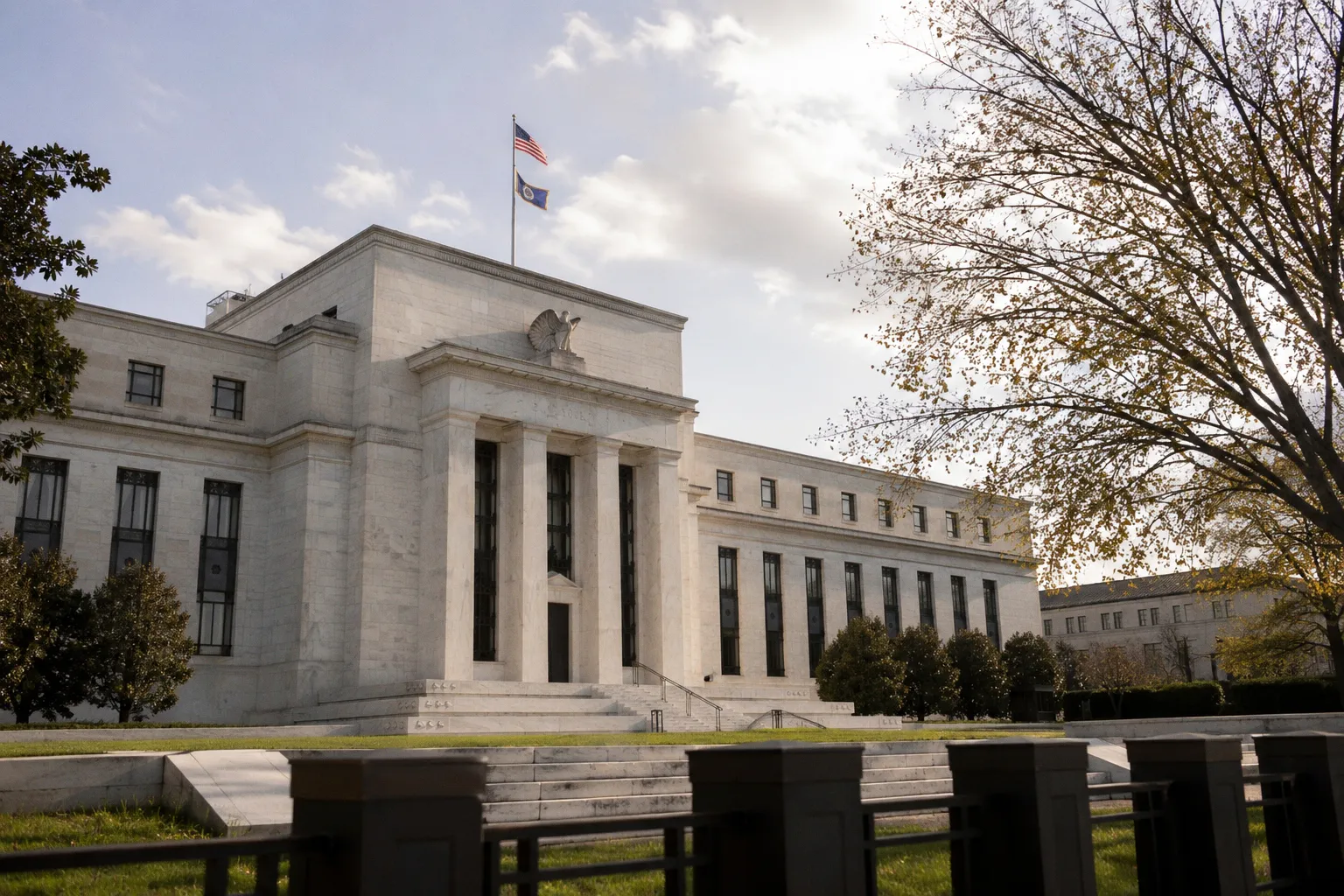
Iran peace not stopping central banks from raising borrowing costs
Central banks continue raising borrowing costs despite diplomatic movement on Iran, per a Reuters dispatch dated June 18. The framing is direct and consequential for markets: geopolitical relief does not mechanically transmit into monetary easing.

Policy posture: one-way, not whipsaw
Reuters documents a central bank stance that has not softened on the back of the Iran de-escalation. Valor International's analysis finds the Central Bank avoided a borrowing cost whipsaw — policy moved in a single direction rather than oscillating with each headline cycle. That distinction is operationally significant. Volatile policy paths generate rate uncertainty and compress duration pricing; one-way paths generate duration risk and force a structural repricing of rate-sensitive assets. We treat the latter as the working base case for the current cycle.
The single-direction posture also constrains tactical trades. If policy does not reverse on positive geopolitical shocks, it is unlikely to reverse on softer economic data alone. That asymmetry reshapes the risk-reward on rate cut bets priced into short-duration instruments and rate-sensitive equities.
Independence and the inflation credibility gap
CEPR coverage frames independent central banks as taking more risk, not less — a structural property of mandate-driven policy, not a transient posture. The Atlantic Council reinforces the same constraint from a different angle: institutions cannot afford to keep missing inflation targets without eroding credibility and forward guidance effectiveness. Both analyses converge on a single operational reality. Dovish pivots require confirmed inflation data, not geopolitical catalysts or political pressure.
The credibility gap argument has direct portfolio implications. If a central bank has undershot or overshot its target, the cost of a premature pivot rises with each missed print. Markets that price aggressive easing in this environment are pricing against institutional incentives. We flag this as a systematic mispricing risk in rate-sensitive sectors with embedded easing assumptions.
Portfolio implications and verdict
The data signal duration risk over tactical optimism. Benchmarking the rate-sensitive book:
- Real estate, high-yield credit, unprofitable growth equities, long-duration tech — bearish on duration.
- Defensive cash-flow names with demonstrated pricing power — neutral; held under continued borrowing cost pressure.
- Short-duration fixed income — confirmed hold; cleanest expression of the data, low mark-to-market exposure.
- Rate-sensitive industrial metals — underweight pending policy path clarity; exposed to both duration risk and growth deceleration.
Currency markets face an asymmetric setup. If any single major central bank surprises dovish while peers hold restrictive, carry differentials compress fast. Hedging cost-benefit shifts against unhedged international exposure. The base case on the evidence available is that this divergence does not materialize near-term.
On the audit, the "geopolitical relief equals monetary easing" thesis fails. Coverage from Reuters, Valor International, CEPR, and the Atlantic Council converges on a policy posture that does not bend to headlines or de-escalation. We grade this as bearish for rate-sensitive equities and high-yield credit, neutral for defensive cash-flow names, and a confirmed hold for short-duration fixed income. The market should price duration, not peace. Pass/fail: fail.