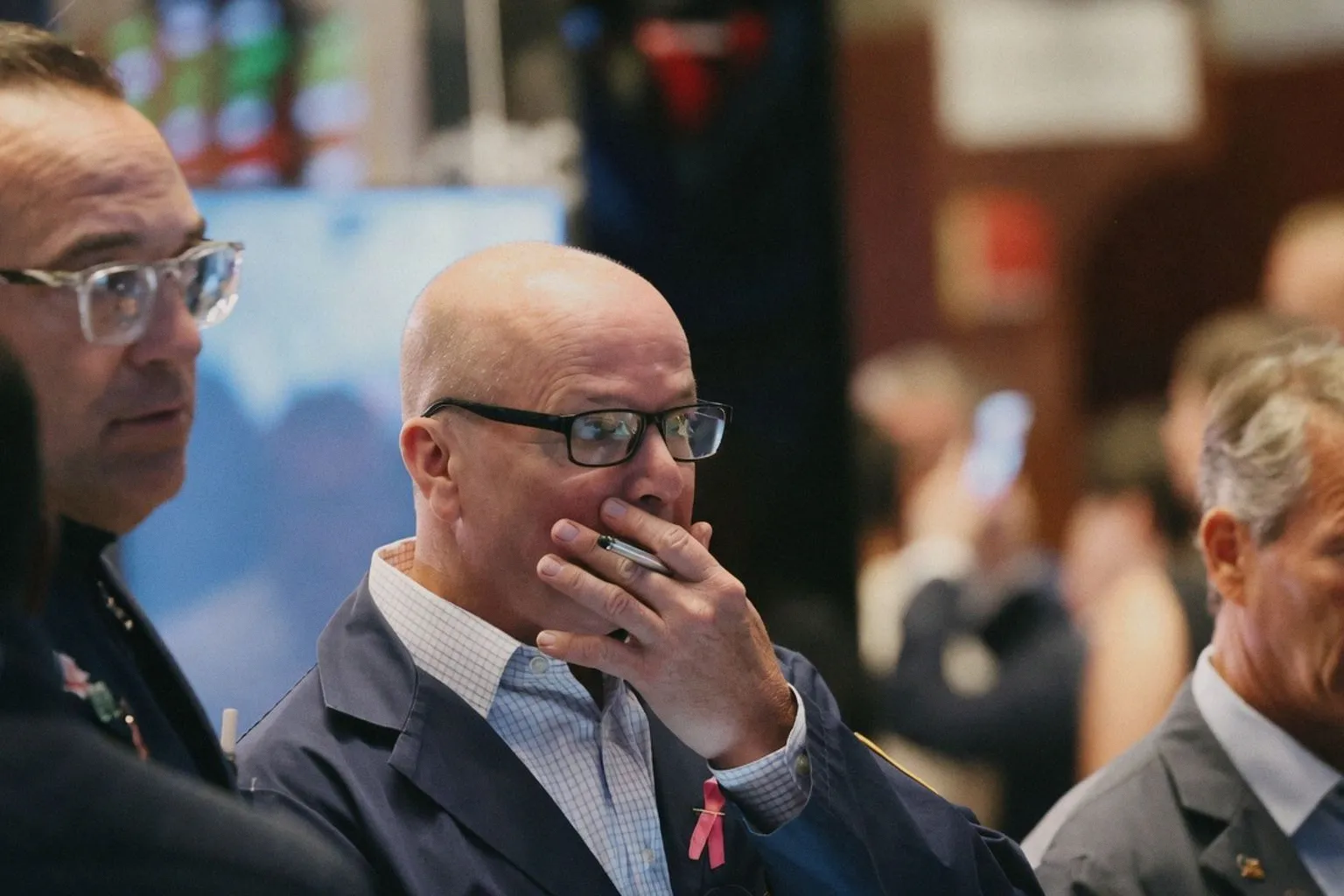
Hungary Likely to Cut Rates as Forint Gains and Inflation Slows
Bloomberg reports Hungary is likely to cut rates as the forint gains and inflation slows. The headline is the payload — no body text, no basis-point guidance, no CPI figure, no forint level.
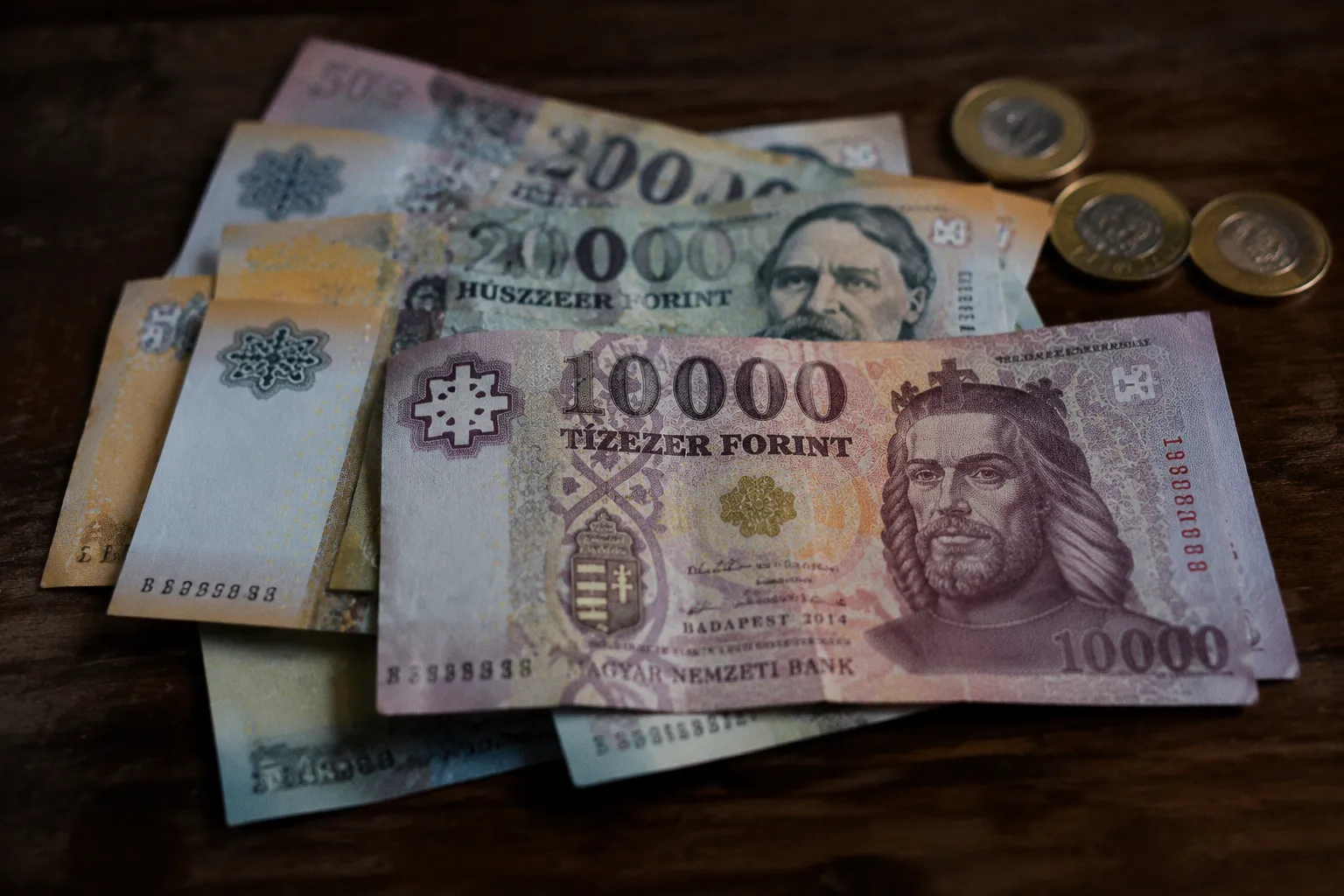
The MNB Pivot Signal
Three forces align: a stronger forint, decelerating inflation, and an expected rate cut. Standard emerging-market plumbing. Currency strength cuts imported price pressure, softer CPI gives the central bank room to ease, the policy rate follows. We can't verify magnitudes from the source we hold. The signal stands; the calibration does not.
The Fed Runs The Other Way
Hungary's signal lands against a hawkish Fed pivot. On June 17, the FOMC held the federal funds rate steady by a unanimous 12-0 vote under new Chair Kevin Warsh. Nine of 18 dot-plot submissions now expect one rate hike by end-2026. The policy statement removed all forward guidance and reaffirmed the central bank's intent to keep "ample reserves in the banking system" — a format shift back toward the shorter statements issued under Alan Greenspan. Short-end futures are now pricing a higher probability of a September hike than a hold. U.S. Treasury yields rose; the dollar gained; U.S. stocks fell modestly.
Warsh defended the change in his press conference. Forward guidance, he said, is "not well suited" to the current moment. "I can't give you any forward guidance about what we're going to do next. The good news is we'll be meeting in six weeks." The statement tied elevated inflation partly to "supply shocks that have driven price increases in certain sectors, including energy." New projections show inflation slowing sharply next year, with rates returning to current levels by end-2027 and easing modestly further in 2028.
The chair launched task forces on communications, balance sheet operations, data inputs, and the inflation framework. He did not submit a dot projection. "I reviewed the dot plots, and when I saw the submissions, I noted that all the submissions were coming in with pencils, you know, those kinds with the big erasers."
The Spread Trade
Divergence is the setup. A dovish MNB against a hawkish Fed compresses the rate spread between Hungarian and U.S. assets. Forint-funded carry works until the Fed moves first — the September FOMC is the binary event. We rate the Bloomberg call as a direction, not a position. Three data points are required to convert signal into trade: a confirmed MNB rate decision, the next Hungarian CPI print, and a sustained forint level against the euro. Status: monitoring, no allocation.