FPIs Reverse Selling: Rs 15,157 Cr Inflow in Indian Equities
For investors using India funds as a long-term allocation rather than a short-term trade, the latest foreign portfolio investor data is a useful temperature check.
The turn in flows is real, but the year is still heavy with outflows
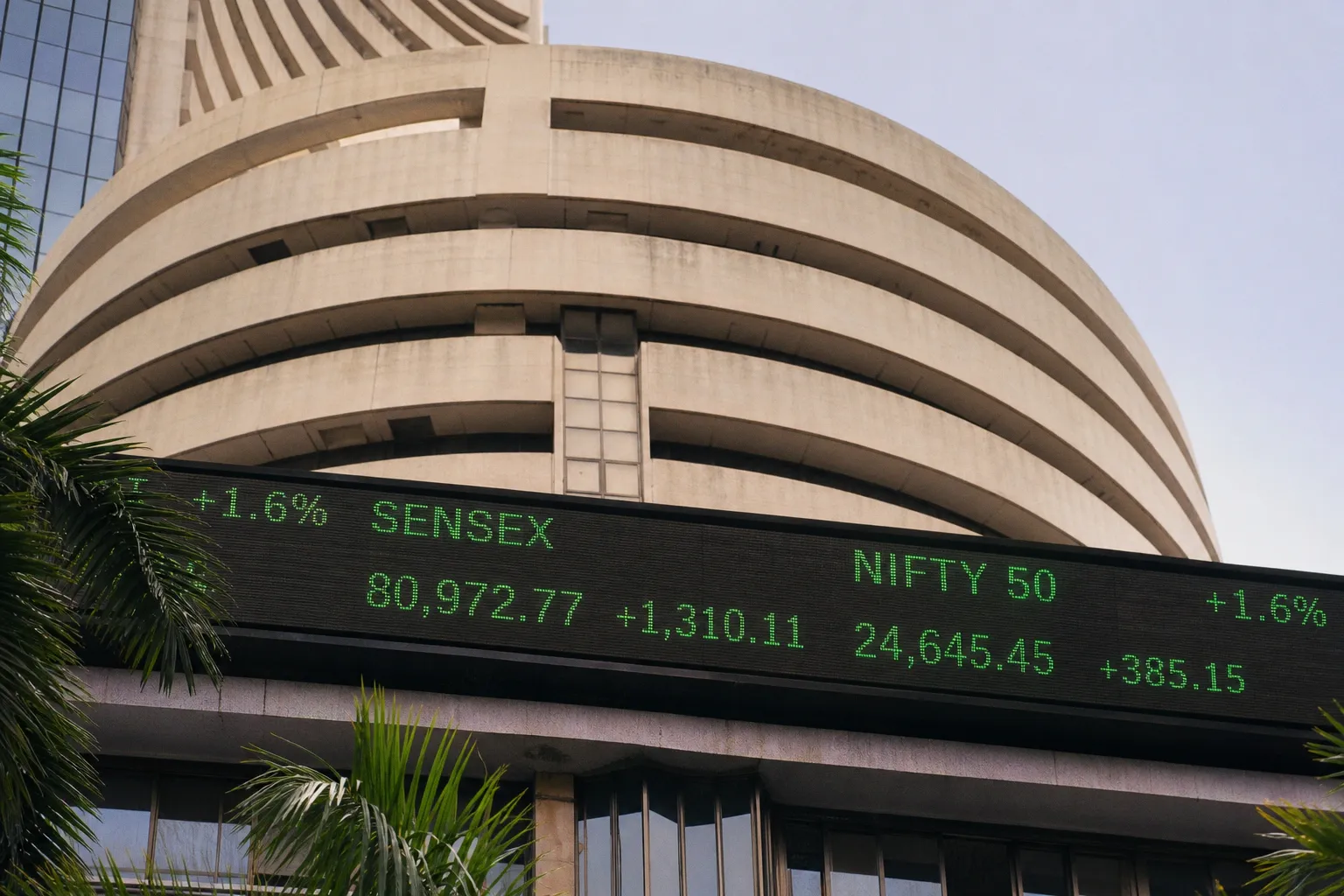
According to Rediff, foreign portfolio investors have put more than Rs 15,157 crore into Indian equities so far in July. That follows four straight months of selling: Rs 49,340 crore in June, Rs 32,963 crore in May, Rs 60,847 crore in April and Rs 1.17 lakh crore in March, based on Central Depository Services (India) Ltd data cited by the report.
The key portfolio point is that July’s buying does not erase the earlier pressure. Rediff reports that FPIs have still pulled a net Rs 2.6 lakh crore from Indian equities so far in 2026, more than the Rs 1.66 lakh crore withdrawn in the same period of 2025. So, if you own a broad emerging-market ETF and noticed India acting as both a quality growth story and a valuation concern, this helps explain the tension: foreign money is returning selectively, but the annual flow picture remains deeply negative.
When I allocate to single-country funds, I try to separate “flow relief” from “valuation comfort.” Flow relief can support prices in the near term. Valuation comfort is what helps compounding over a full cycle. The sources indicate that after market consolidation, valuations have become more reasonable, encouraging selective exposure to high-quality Indian companies. That is constructive, but still not the same as a blanket green light for chasing every India product with a strong recent chart.
Why FPIs may be coming back
The reported reasons are familiar, but important. Rediff cites improving domestic macroeconomic indicators, a stable rupee and better global risk sentiment as supports for the July inflow. Himanshu Srivastava of Morningstar Investment Research India is quoted as linking the reversal to improving global risk appetite, easing concerns over energy prices after de-escalation of geopolitical tensions earlier this month, and renewed confidence in India’s macro fundamentals.
VK Vijayakumar of Geojit Investments also pointed to improving domestic macro conditions and rupee stability. He added that weakness in the semiconductor trade and FPIs turning sellers in markets such as South Korea may have redirected flows toward India.
For fund investors, this is where asset allocation does the hard work. If your India exposure sits inside a diversified emerging-market ETF, you are already letting the index methodology adjust country weights over time. If you hold a dedicated India ETF or fund, then July’s inflow is a reason to review—not necessarily increase—your position size. I would check three things before adding: the expense ratio, how concentrated the fund is in large financial and technology names, and whether the position still fits your target regional allocation after recent market moves.
It is also worth watching global risk appetite beyond equities. Currency, energy and cross-asset sentiment can all affect FPI behavior; even a separate crypto market analysis focused on bullish signals and USDJPY risk can be useful as a reminder that investors are often repricing risk across markets at the same time, not in neat isolated boxes.
Debt flows add another signal for balanced portfolios
The equity story is not the only moving part. Rediff reports that FPIs invested Rs 6,625 crore in debt securities through the Fully Accessible Route and Rs 3,228 crore through the general route during July. Vijayakumar said government changes to the taxation of debt investments have made Indian debt more attractive to FPIs while contributing to rupee stability.
That matters because equity inflows supported by currency stability are usually easier for long-term investors to underwrite than equity inflows driven only by momentum. For a retail portfolio, though, the practical next step is not to mimic foreign investors trade by trade. It is to check whether your India exposure is doing the job you assigned to it.
If India is a satellite growth allocation, keep the position sized so a reversal in flows does not derail the plan. If India is embedded through a global emerging-market fund, focus on total fund cost, tracking quality and overlap with any separate Asia or international growth funds you already own. And if you are waiting to enter, July’s FPI reversal is a useful signal—but I would still scale in patiently rather than assume that one month has settled the story for 2026.