Fed officials were split on direction of interest rates at last meeting, minutes show
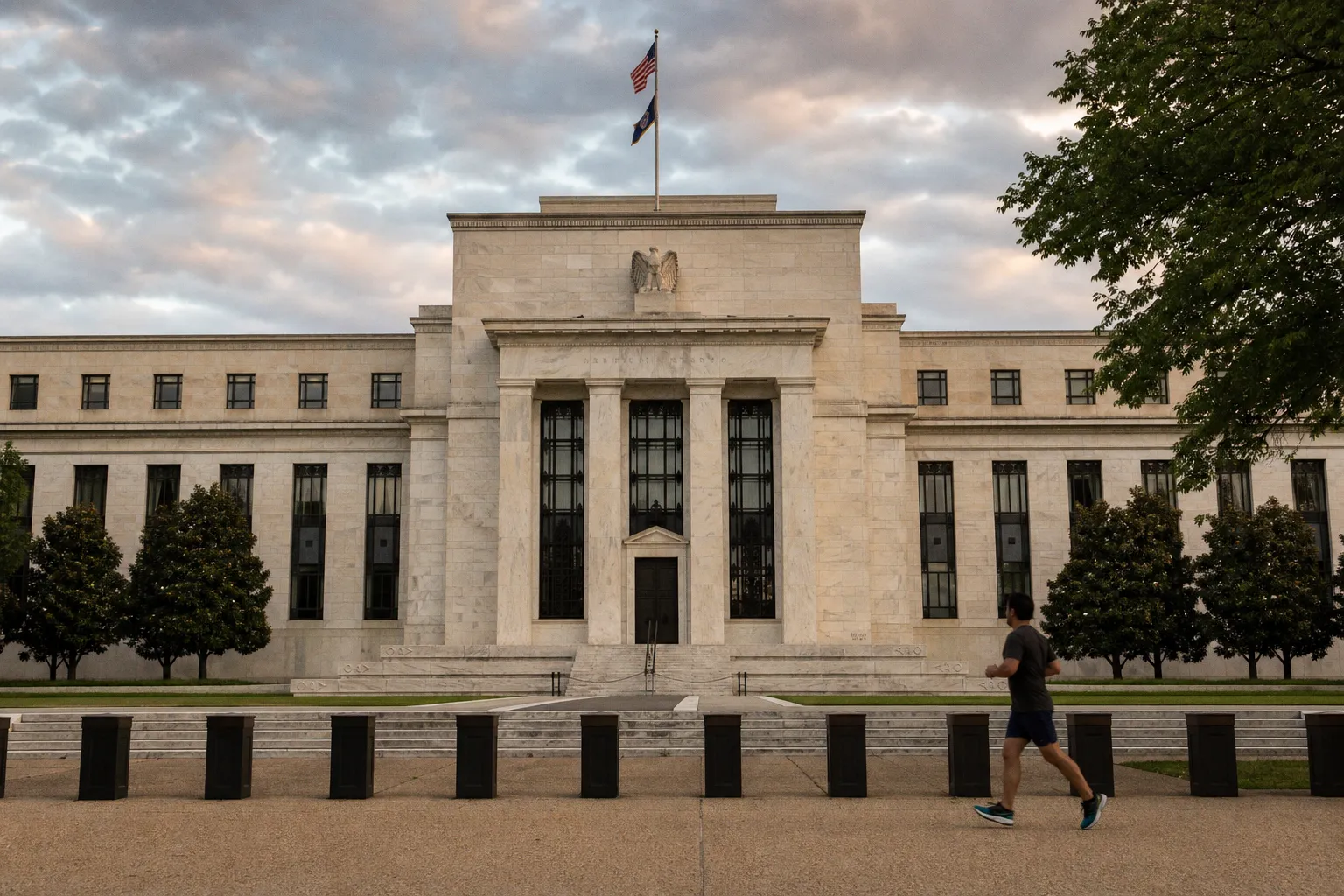
The market has been handed a familiar but uncomfortable signal: according to CNBC, Federal Reserve officials were split at their last meeting on the direction of interest rates, as shown in the minutes.
A split Fed is a duration problem first
The key point from the reported minutes is not that rates are moving one way or the other. It is that officials were divided on direction. That distinction matters.
For fixed income portfolios, uncertainty at the policy level usually shows up through pricing mechanics: yields adjust, bond prices respond, and longer-duration funds tend to carry more sensitivity to those moves. A short-term Treasury bill, an intermediate bond ETF and a long-duration government bond fund do not react the same way when investors rethink the path of rates.
This is where investors should resist the easy conclusion that “bonds are safe again” simply because yields may look more attractive than they did in the past. Yield is the income side of the trade. Duration is the capital-risk side. If the Fed is divided, the market has less certainty about the next leg of the rate cycle, and that makes the upside-versus-downside balance more delicate.
The practical read-through is simple: check the duration of any bond fund before looking at the headline yield. A higher yield attached to a long-duration portfolio can still disappoint if rates move against it. The coupon may be visible; the mark-to-market risk is often less appreciated.
Central-bank uncertainty is not only a US story
Morningstar has also framed the question around where Bank of England interest rates go next. The evidence here is limited to that broad topic, but the market signal is still useful: major rate-setting regimes remain under close scrutiny, not just in the United States.
For global bond ETFs and multi-asset funds, this matters because rate expectations do not stay neatly inside national borders. A fund that looks diversified by geography can still be concentrated in one macro risk: sensitivity to central-bank policy. US Treasuries, UK gilts, global aggregate bond funds and currency-hedged fixed income products can all be pulled by shifting expectations around policy rates.
That does not mean investors should abandon bonds. It means the defensive label should be earned, not assumed. In a portfolio review, I would separate three questions: how much duration is being taken, how much credit risk is being taken, and whether currency exposure is hedged or left open. Those are different risks, and they rarely become visible at the same time.
Credit spreads also deserve attention. When investors chase yield, they often slide from government bonds into corporate credit or higher-yielding funds without fully pricing default probability. If policy remains uncertain, both rate risk and credit risk can matter at once. That is the uncomfortable scenario: yields rise enough to hurt duration, while economic stress widens spreads.
What I would check before adding bond exposure
The first document to open is the fund factsheet. Look for effective duration, maturity profile, credit quality and whether the fund uses hedging. If those fields are hard to understand, that is not a small inconvenience; it is a risk-management problem.
For investors using bond ETFs, the cleanest defensive posture is usually built around clarity. Shorter-duration exposure gives up some yield potential but reduces sensitivity to rate surprises. Longer-duration exposure can work if rates fall, but it is a more explicit macro bet. Corporate bond funds may offer more income, but they add credit-spread and default risk to the rate decision.
The Fed split reported by CNBC does not provide a trade signal by itself. It does, however, argue against complacency. When policymakers are not speaking with one voice, the market becomes the real voting mechanism, repricing each data point through the curve.
My verdict: this is a moment for bond investors to tighten their risk controls, not stretch for yield. Keep duration intentional, keep credit quality visible, and do not confuse income with downside protection.