Warsh faces multiple alternative inflation signs as Fed charts new course
The trading floor has a new hand at the Fed's helm, and the fixed income implications are starting to crystallize.
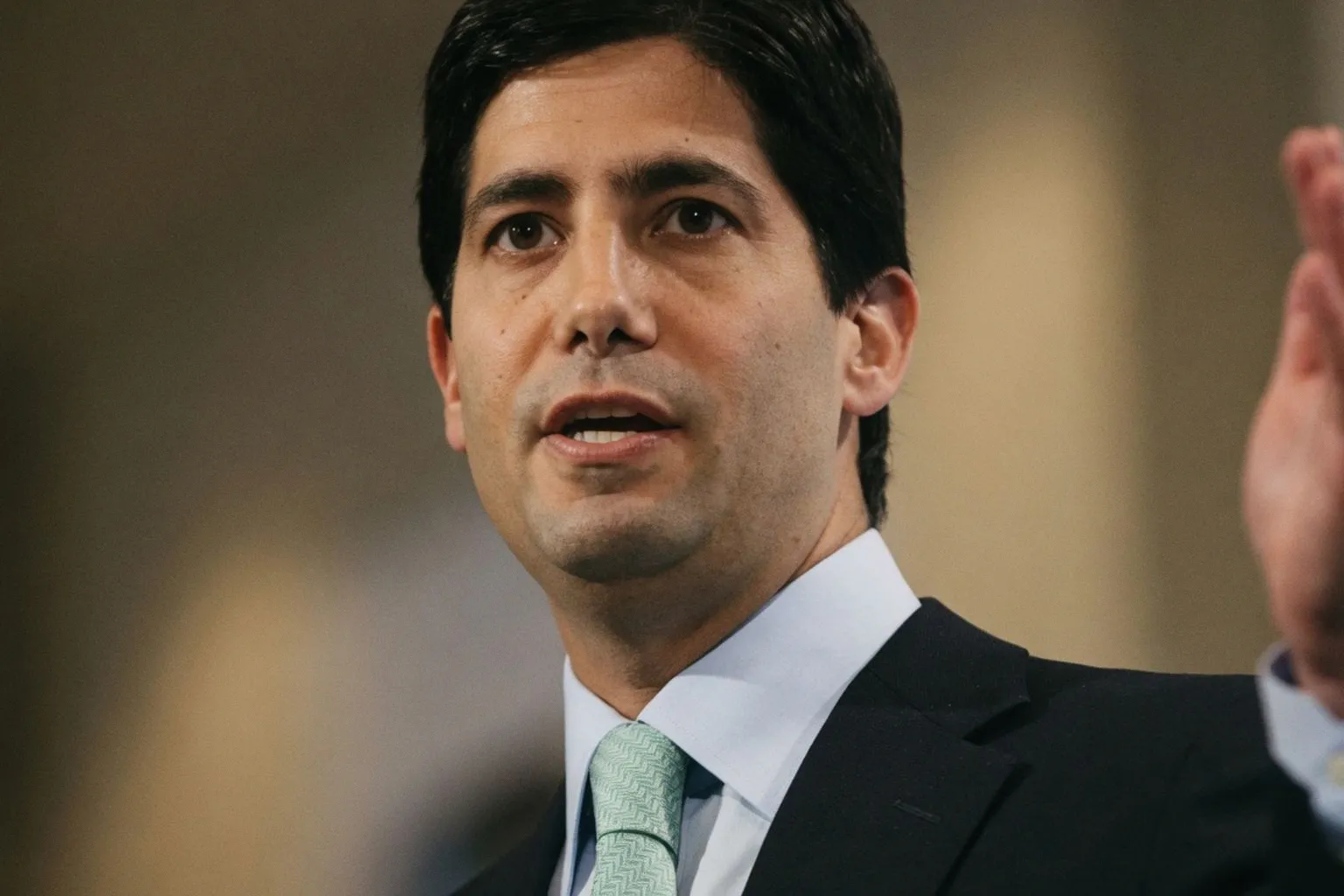
The Inflation Paradox
The market is now pricing a Fed that is internally divided on the most important question of this cycle: is AI a deflationary force that justifies a patient hand, or an inflationary one that demands vigilance? Warsh's disinflationary framing pulls in one direction. Other officials flagging AI capex and labor market tightness pull in the other. For bondholders, this is a setup for whipsaw — terminal rate expectations oscillating between scenarios rather than converging on a single path. That kind of indecision historically inflates realized volatility in the long end and steepens bear-steepening episodes when CPI surprises to the upside. The 3.8% print already sits well above the Fed's 2% target, so any softening in core services will matter far more than headline noise.
The Guidance Vacuum
Warsh is also steering the Fed toward less forward guidance — a regime foreign central banks are reportedly embracing alongside Washington. Less guidance means the market must price policy reactively rather than anticipatorily. In practical terms: the yield curve loses a stabilizing anchor, term premium gets harder to forecast, and duration positioning becomes a bet on incoming data rather than on Fed-speak. Credit spreads may tighten on the disinflationary narrative, but that compression carries its own default probability risk if the AI thesis proves wrong and the Fed is forced to pivot hawkishly into a softening economy.
Defensive Posture for Fixed Income
The prudent trade here is not to chase yield into long-duration Treasuries on the hope that Warsh's disinflationary view prevails. Instead, consider a barbell — short-duration, high-quality credit to clip carry while preserving optionality, paired with a modest allocation to TIPS for inflation tail risk. Watch the June and July 2026 Fed meetings, upcoming CPI releases, and any Fed official commentary that could clarify whether the institution is coalescing around Warsh's frame or fracturing further. In fixed income, the real loss rarely comes from being wrong on direction — it comes from being wrong on conviction. Right now, conviction is a luxury the data does not yet justify.