Fed Chair Warsh Announces Major Review of Long-Standing Monetary Policy Framework
The Federal Reserve is preparing to dismantle the operating framework it has relied on for roughly two decades.
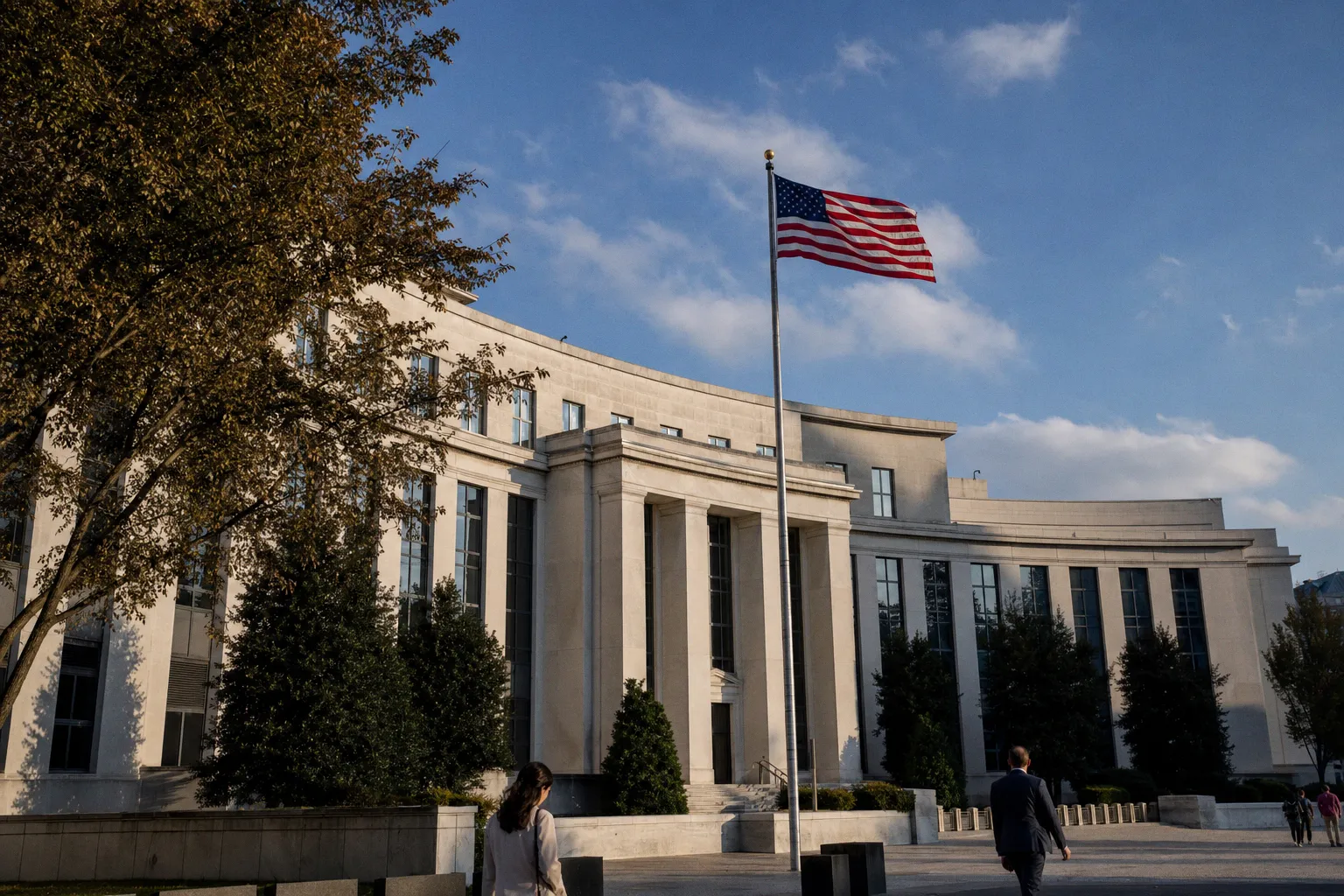
Fed Chair Signals Biggest Monetary Policy Overhaul in Nearly 20 Years, Plans Review of Ample Reserves
In his first testimony since taking office, Fed Chair Warsh told the House Financial Services Committee that the central bank will review its "ample reserves" regime — a system that has underpinned rate targeting since the late-2000s crisis. The balance sheet currently sits at $6.8 trillion. Any repositioning around this overhaul will require recalibrating duration exposure across fixed-income allocations.
The Framework Under Review
At the core: the "ample reserves" system. Under this regime, the Fed floods markets with liquidity to keep short-term rates within its target band. The mechanism requires holding a massive bond portfolio — long-duration Treasuries and mortgage-backed securities accumulated over approximately 18 years. Warsh stated the Fed "will be examining what the benefits and drawbacks of this system are, and what the alternatives might be." He acknowledged a return to pre-2006 procedures is not realistic but noted "there are several other sustainable equilibriums that can be achieved." Reform will not happen quickly: "any changes will be well-considered, well-telegraphed, well-understood, and will take considerable time before they are actually implemented." Translation — structural shifts, not a single catalyst.
Inflation Pressure and the Rate Outlook
Warsh declared the Fed "will never tolerate persistently high inflation," calling elevated prices an "excessive burden on American households and businesses." Two variables are complicating the picture:
- Strait of Hormuz blockade — the energy price surge has strengthened the case for additional rate hikes among FOMC participants.
- AI investment surge — Warsh admitted its impact on prices and employment is "not yet fully understood" but is "closely watching."
The FOMC has held policy rates steady since January. The balance of risks is now shifting.
Global Central Bank Divergence
While the Fed signals tightening bias, the PBOC reaffirmed an "appropriately loose" stance as China's Q2 GDP slowed to 4.3% — the weakest pace in over three years. New yuan loans came in at ¥1,610 billion in June against expectations of ¥2,000 billion; M2 growth decelerated to 8%. Interbank liquidity is ample, but credit demand has stalled. Meanwhile, the SNB assessed inflation pressures as "virtually unchanged" with monetary conditions "appropriate," and the ECB meets July 23 against a backdrop of surging oil prices. We track these divergences because cross-asset correlations tighten when major central banks move in opposite directions.